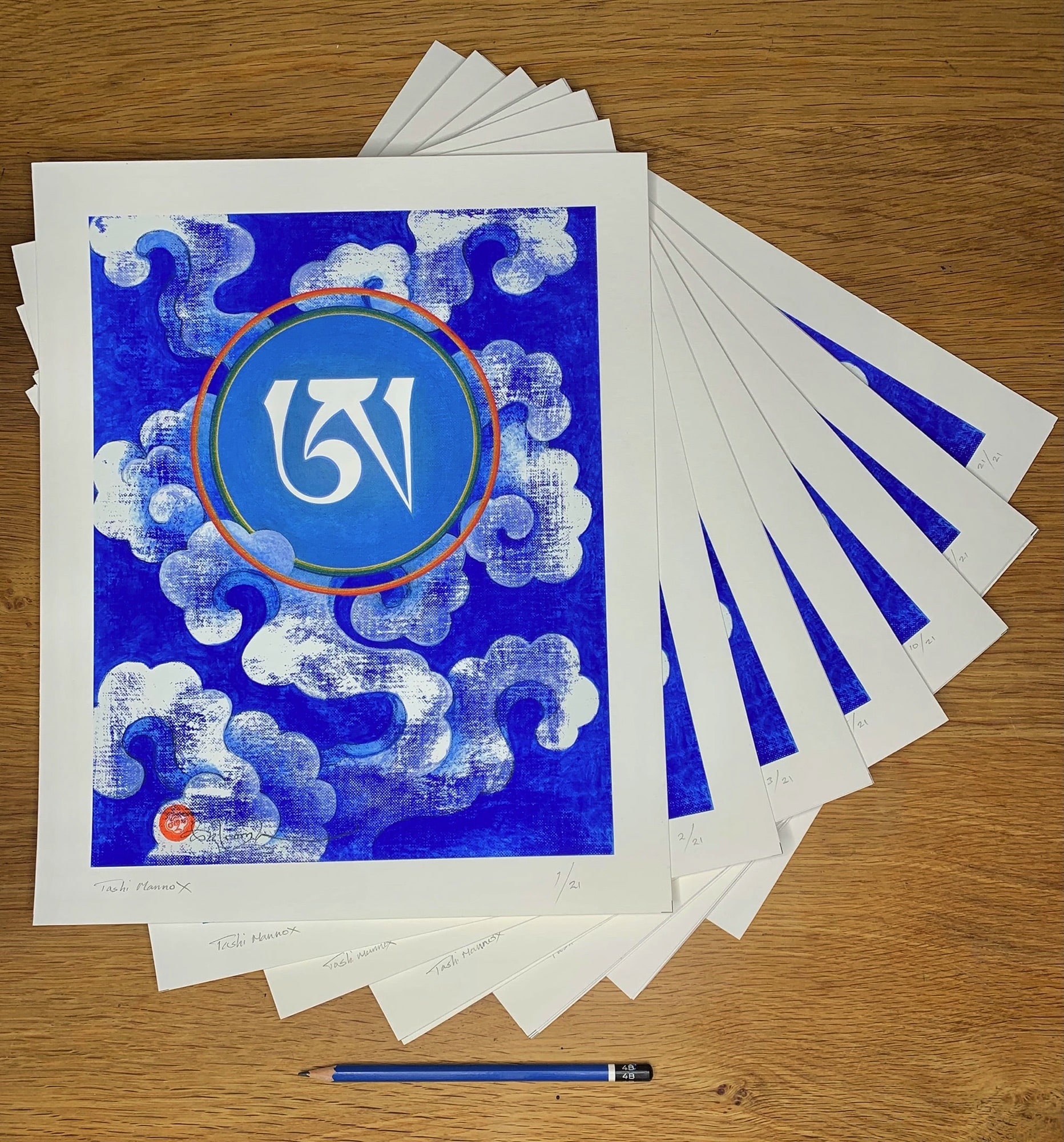
Maha-Tashi Art Exhibition in London
Showcasing the original artworks especially created as guest artist for Maharishi clothing. See this collaborative collection of Maharishi’s famously embroidered streetwear, at their flagship store in Soho.

Please fill in the contact form below. We will respond as soon as possible. Sometimes, due to other commitments you may not receive an immediate reply.
Dharma Artist
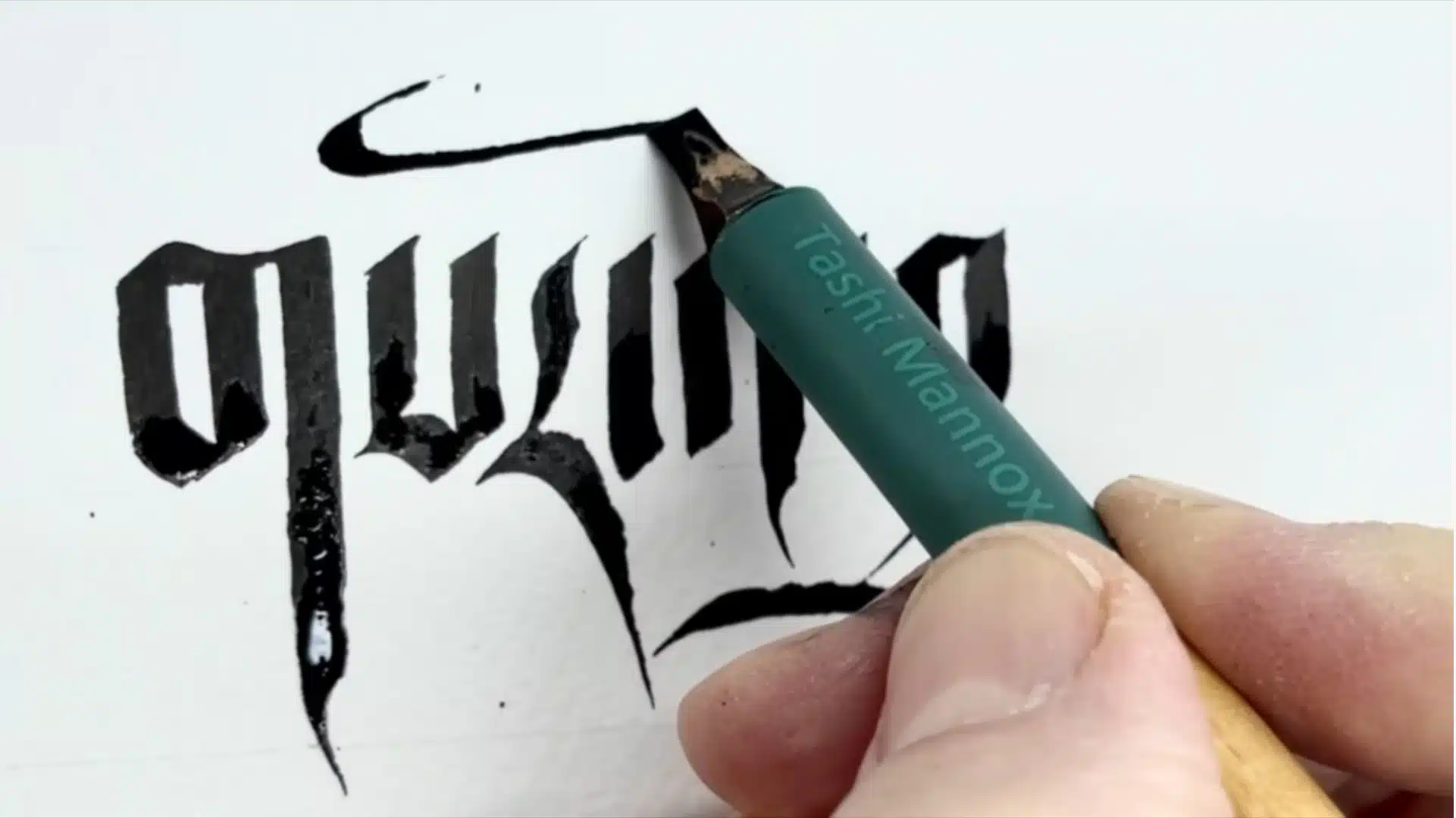
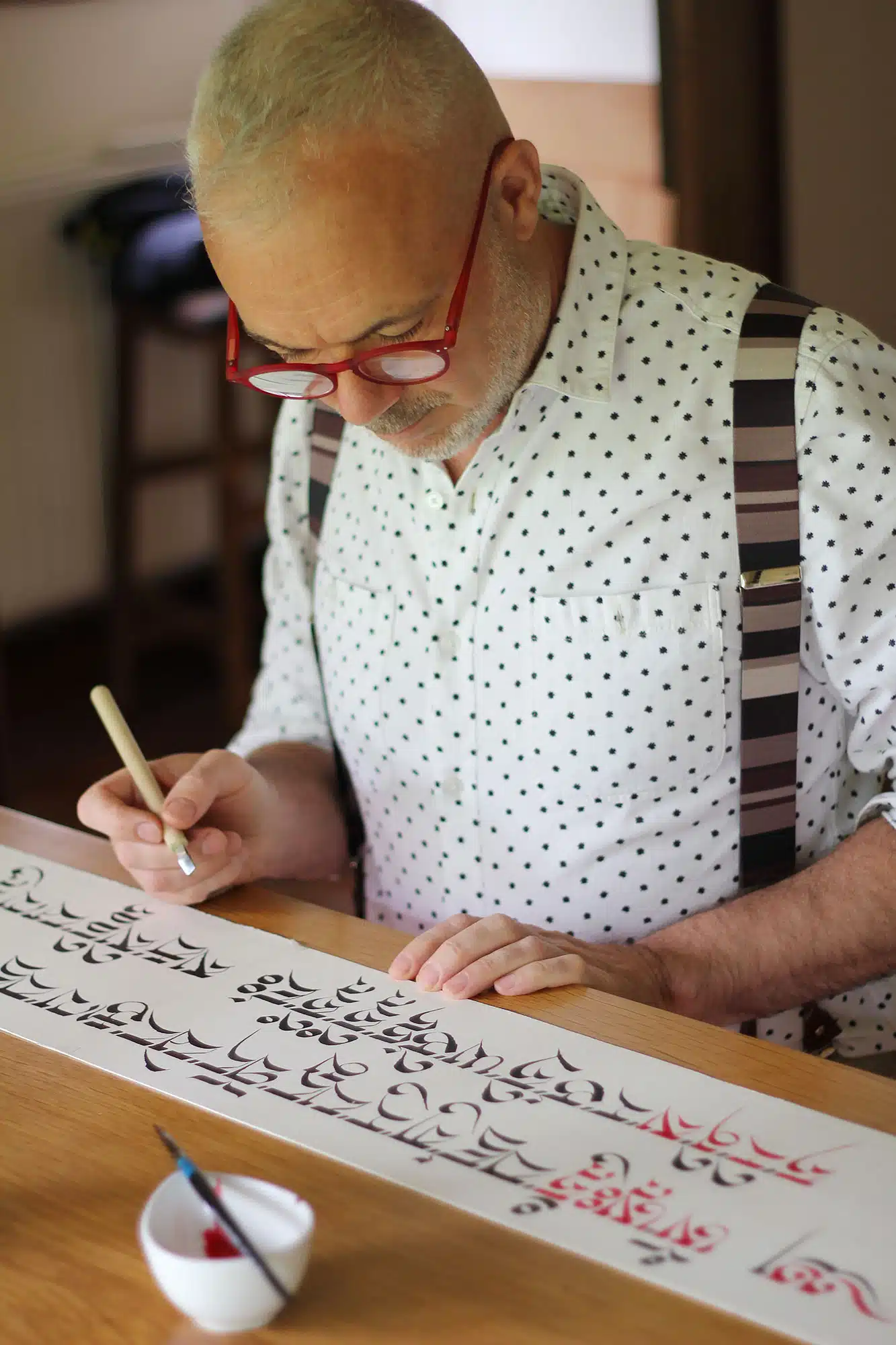
A seamless blend of the contemporary and the immutable ancient tradition meets bold design in the work of Tashi Mannox, celebrated Tibetan Calligrapher.
One of the world’s foremost contemporary Tibetan calligraphers, Dharma Artist Tashi Mannox innovates in technique and concepts firmly rooted in the integrity of the ancient tradition.
Two decades spent as a monk of the Kagyu order inform his practice: his calligraphy and iconography. While technically and aesthetically compelling, Tashi’s work also acts to illuminate ancient Buddhist wisdoms.
༄། གང་གི་སོར་རྩེ་ལས་འཁྲུངས་འཕྲུལ་གྱི་ཡི་གེ་གཟུགས། །
སྐྱེ་དགུའི་ཡིད་དབང་འཕྲོག་པས་ཐར་པའི་ལམ་དུ་འཁྲིད། །
སློབ་དཔོན་ཐོན་མིའི་དབྱངས་གསལ་འཛིན་སྐྱོང་སྤེལ་གསུམ་ཕྱིར། །
གསར་གཏོད་རྣམ་དཔྱོད་རྩལ་ལས་མཛེས་པའི་ཡིག་གཟུགས་བཞེངས། །
ཆོས་ཀྱི་སྒྱུ་རྩལ་པ་ཆེན་པོ་བཀྲ་ཤིས་མན་ནོག་སིའི་ཡིག་གཟུགས་སློབ་ཁྲིད་ཉན་ཞོར་དུ་ཡོན་ཏན་གཟེངས་སུ་བསྟོད་པའི་ཚིགས་སུ་བཅད་པ་འདི་ཨ་རིའི་བློ་བཟང་གིས་བྲིས་པ་དགེའོ།།
༄། Born from the tips of your fingers, mystical letter forms
Capture the hearts of beings, leading them on the path to liberation.
To preserve and uphold Minister *Thönmi’s literary tradition,
You manifest beautiful Calligraphy from the creative potential of the intellect.
This verse was composed by Lowell Cook in homage to the great Dharma artist Tashi Mannox while listening to one of his calligraphy lectures. May goodness abound!

Showcasing the original artworks especially created as guest artist for Maharishi clothing. See this collaborative collection of Maharishi’s famously embroidered streetwear, at their flagship store in Soho.
Suitable for beginners to advanced Tibetan calligraphers, this retreat is for those who wish to revise, elevate and refine their writing ability away from complacency.
Offering a rare opportunity to study and practice in the beautiful and peacefully conducive atmosphere of Le Grand Banc – An extraordinary secluded hilltop private hamlet, surrounded by the wild nature of the Luberon hills in Provence, France. This place holds great legacy, where famous artists were inspired and high society once escaped.
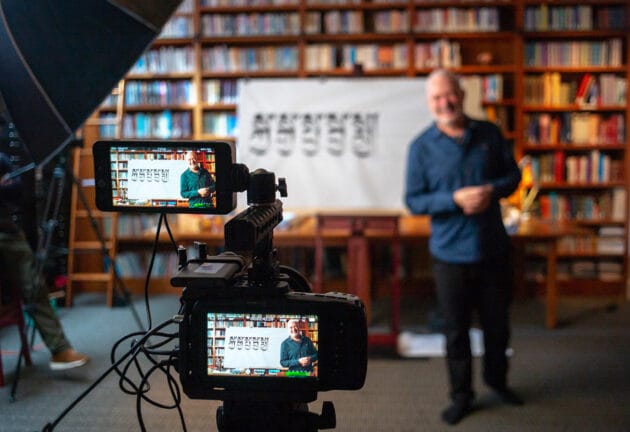
It is with resounding success of the first online Tibetan calligraphy tutorials with Wisdom Academy, that in early 2024 the second courses of lessons will begin March 1, 2024
This will cover the multitude of super and subscribed letters, as well as punctuation marks. – Thus completes the repertoire of the Tibetan writing system in the classical Uchen script.
Please fill in the contact form below. We will respond as soon as possible. Sometimes, due to other commitments you may not receive an immediate reply.
Share this page on